Kosher Dill Pickles (Garlicky Refrigerator Recipe)
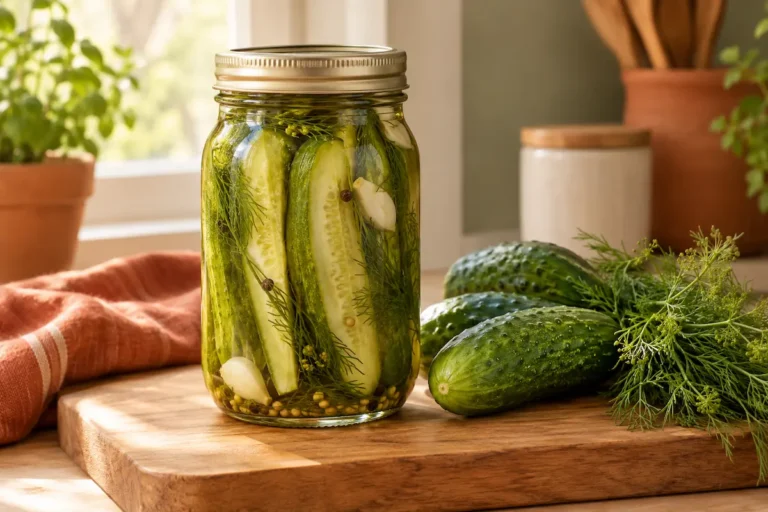
Good kosher dill pickles come down to garlic, fresh dill, and a salty, sharp brine that keeps cucumbers snappy. This kosher dill pickle recipe packs everything into one quart jar that lives in the fridge. There is no canner and no special equipment. The first pickle is edible after 48 hours, and the flavor keeps developing for about a week.
Prep time: 15 minutes. Chill time: at least 48 hours. Makes: one quart jar, depending on cucumber size and how tightly you pack. Storage: refrigerator only.
It suits small kitchens too, which is why it fits right into apartment homesteading: one jar, one shelf, about fifteen minutes of real work. Below is the full recipe for kosher dill pickles, the reasoning behind each step, how to keep them crunchy, and what to do when something goes wrong.
What Makes a Pickle Kosher Dill?
On a jar of kosher dill pickles, “kosher” usually does not refer to dietary law. It names a deli style associated with New York’s Jewish delicatessens, where cucumbers are seasoned heavily with garlic and dill. Some commercial brands are certified kosher, but homemade kosher dill pickles simply means garlic-forward dill pickles in that tradition.
Traditional deli pickles are often fermented in a salt brine. This version uses a vinegar and salt brine instead, which gives bold, garlicky flavor in days rather than weeks. If you want the funkier taste of a true ferment, start with my guide to fermented pickles, since fermenting is a different method with its own rules.
Kosher Dill Pickles Ingredients
- 1 pound small pickling cucumbers (Kirby or similar), about 4 to 6
- 6 to 8 cloves garlic, smashed
- 1 large dill head or 4 to 5 sprigs fresh dill
- 1 teaspoon black peppercorns
- ½ teaspoon mustard seeds
- Pinch of red pepper flakes, optional
- 1 grape leaf or a small piece of horseradish leaf, optional
- 1 cup water
- 1 cup distilled white vinegar (5% acidity)
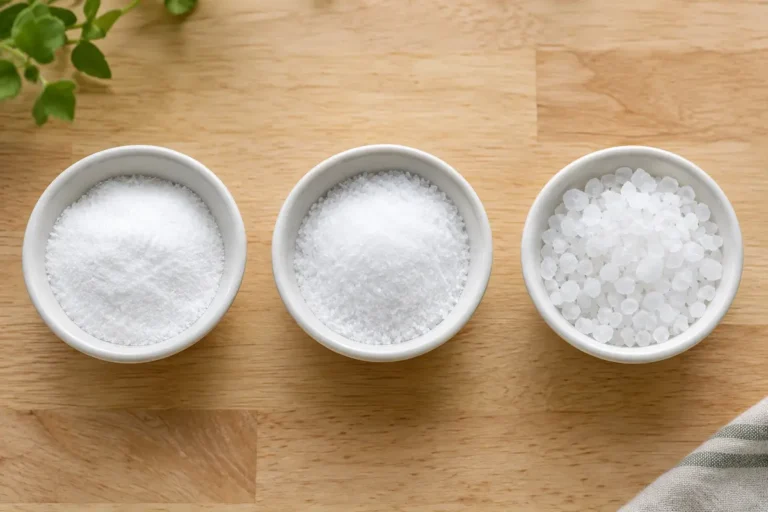
- 1 tablespoon pickling salt (about 18 grams), or fine sea salt without additives
Ingredient notes
Cucumbers. Pickling varieties have thinner skin, smaller seeds, and firmer flesh than slicing cucumbers. Buy them within a day or two of picking if you can. Wilted or waxed cucumbers make soft pickles.
Salt. Use pickling salt or plain fine salt without iodine or anti-caking agents, which can cloud the brine. My post on pickling salt covers the differences. Crystal size changes how much a tablespoon weighs, so weigh the salt if you can. Flaky kosher salt is much lighter per tablespoon and often leads to under-salted brine.
Vinegar and water. Use distilled white vinegar with 5% acidity and keep the vinegar and water in equal parts. Check the label, since vinegar below 5% should not be used for pickling. Diluting the brine with extra water lowers its acidity, so don’t adjust the ratio.
Garlic. Fresh garlic is the heart of kosher dill pickles, and 6 to 8 cloves is what gives this version its deli-style punch. Smash the cloves rather than mincing them so they release flavor without clouding the jar.
How to Make Kosher Dill Pickles, Step by Step
1. Prep the jar and the cucumbers
Wash a quart jar and its lid in hot, soapy water and rinse well. Scrub the cucumbers gently under cold water. For extra crunch, soak them in ice water for 30 minutes. Trim 1/16 to ⅛ inch from the blossom end, the end opposite the stem, because it contains enzymes that can soften pickles. Leave the cucumbers whole or cut them into spears or thick rounds.
2. Pack the jar
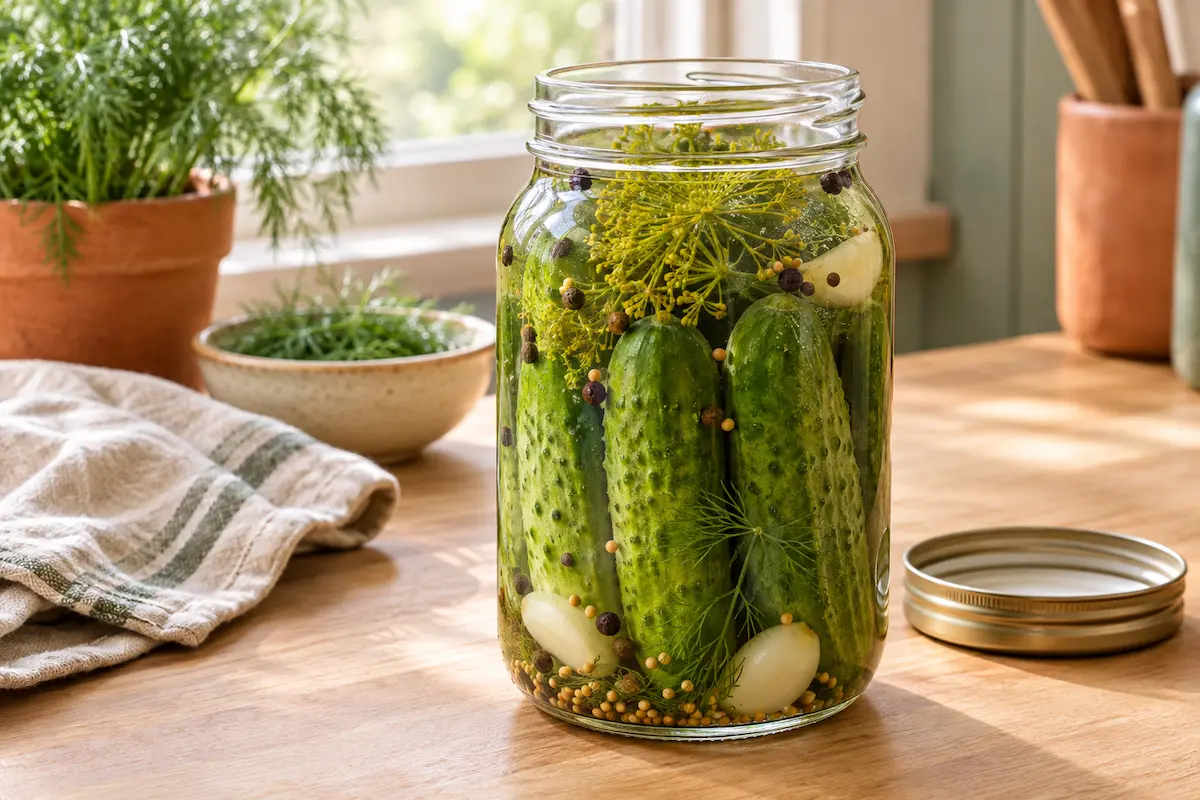
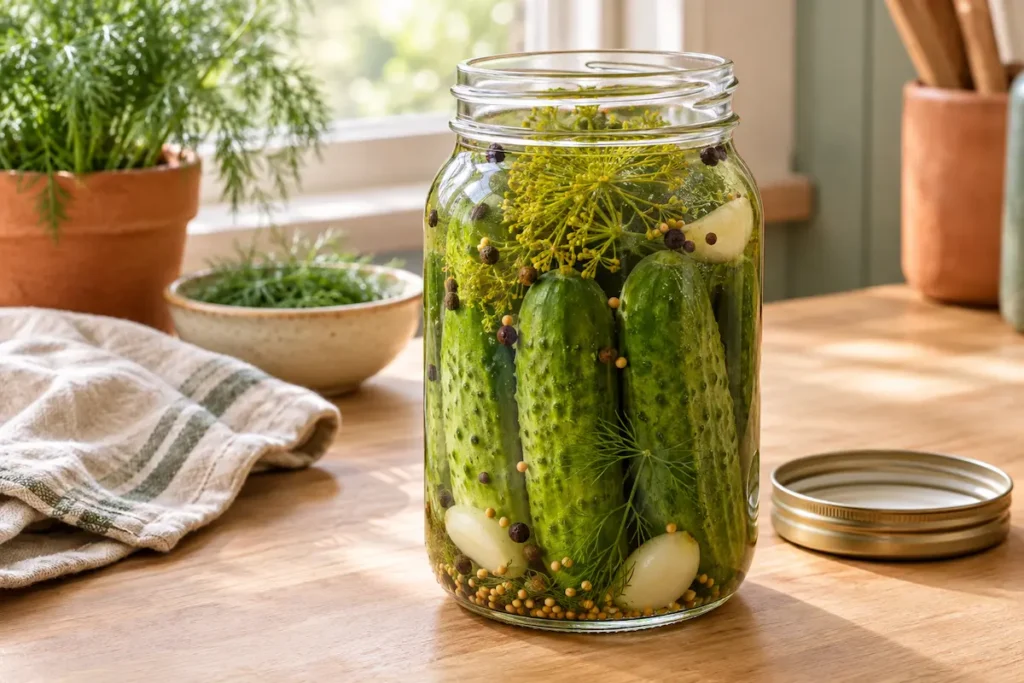
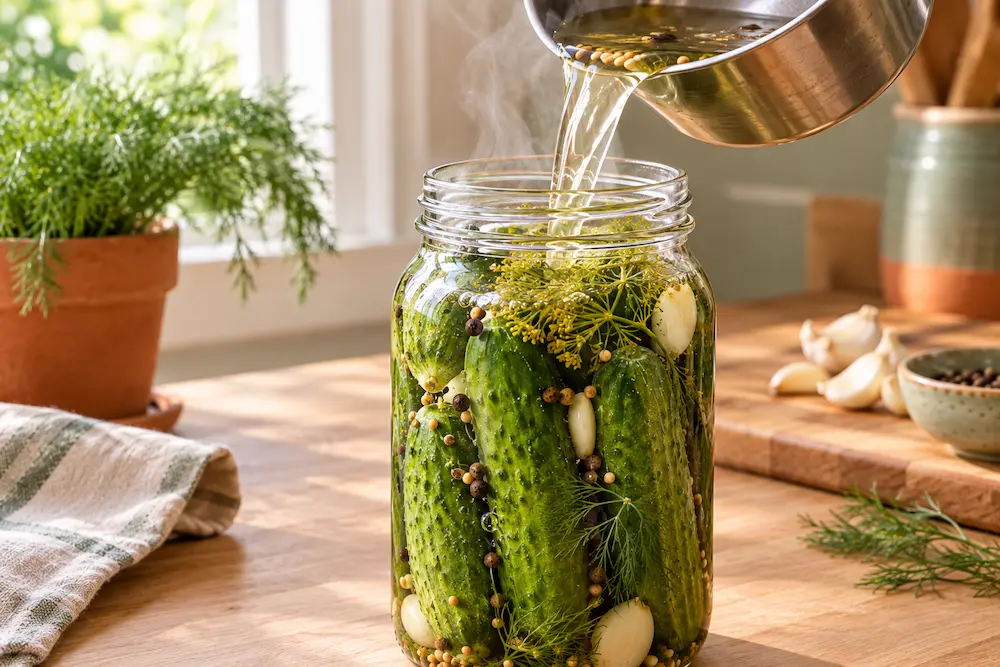
Put half the garlic and dill in the bottom of the jar along with the peppercorns, mustard seeds, red pepper flakes, and grape leaf. Stand the cucumbers upright and pack them in snugly, since they shrink slightly. Tuck the remaining garlic and dill between and around the cucumbers, so the flavor spreads evenly.
3. Make the brine
Combine the water, vinegar, and salt in a small saucepan. Heat over medium heat, stirring, just until the salt dissolves and the brine begins to steam. It does not need to boil hard. Remove it from the heat.
4. Pour and seal
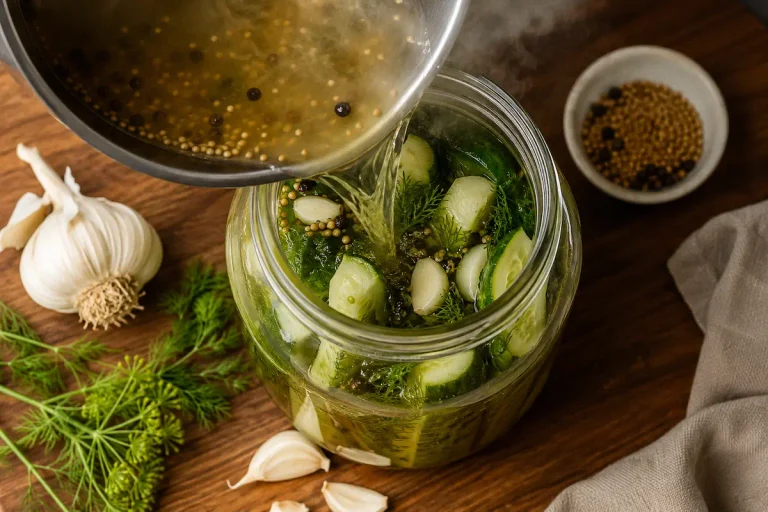
Pour the hot brine over the cucumbers, leaving about ½ inch of space at the top. Tap the jar gently on the counter to release air bubbles. The cucumbers must be fully covered. If they are not, stir together a small extra batch of brine in the same proportions (¼ cup water, ¼ cup vinegar, ¾ teaspoon salt), warm it, and top up the jar. Discard any brine you don’t use. Screw on the lid and let the jar cool on the counter for about an hour.
5. Refrigerate and wait
Move the jar to the refrigerator after its brief cooling period, and don’t leave it out for more than two hours. These kosher dill pickles are edible after 48 hours, but the flavor is best after about 5 to 7 days, once the garlic and dill have worked into the cucumbers. That timeline describes flavor, not safety. They are refrigerator pickles and are not shelf-stable, so keep the jar cold at all times.
How to Keep Kosher Dill Pickles Crunchy
These tips apply to any kosher dill pickle recipe, and most of them come down to starting with firm cucumbers and handling the heat gently.
| Crunch Tip | Why It Helps |
|---|---|
| Use the freshest cucumbers you can find | Cucumbers lose firmness within days of picking, and pickling will not bring it back |
| Trim the blossom end | The blossom end holds enzymes that soften the flesh |
| Soak the cucumbers in ice water for 30 minutes first | Cold, well-hydrated cucumbers hold their firmness better when the hot brine goes on |
| Add a grape leaf or horseradish leaf | Traditionally used because the leaves contain tannins, which are thought to help texture |
| Heat the brine only until it steams | A hard boil isn’t needed, and hotter brine softens cucumbers more |
| Keep them whole or cut thick spears | Thin slices soften faster than whole cucumbers |
Kosher Dill Pickle Recipe Variations
- Milder: use 3 to 4 cloves of garlic instead of 6 to 8.
- Spicy: add a sliced jalapeño or a few dried chiles to the jar.
- Pickle chips: slice the cucumbers ¼ inch thick for sandwiches and burgers. They pick up flavor sooner than spears but soften sooner too.
- More complex brine: add a bay leaf, a teaspoon of coriander seeds, or a few allspice berries.
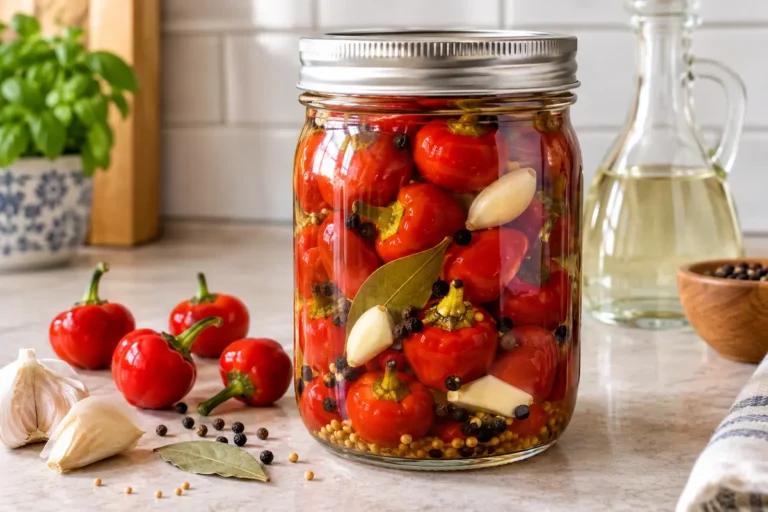
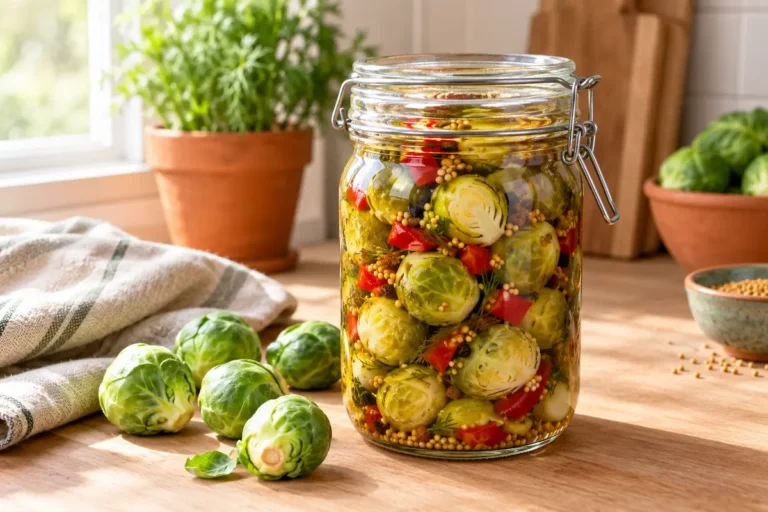
- Other vegetables: different vegetables need different brines and timing, so use a recipe written for them. Pickled banana peppers and pickled garlic are good places to start.
Troubleshooting Kosher Dill Pickles
- Soft or mushy pickles: the cucumbers were not fresh, the blossom end was not trimmed, or the brine was hotter than it needed to be. Use the crunch tips above next time.
- Cloudy brine: a little haze from garlic, spices, or salt is normal. Iodized salt and hard water can add to it, so use pickling salt and filtered water if it bothers you. Cloudiness together with a slimy texture, bad smell, fizzing, or a bulging lid is a warning sign, not a cosmetic issue.
- Garlic turning blue or green: garlic can react with acid in the brine, and this color change is generally harmless. If the pickles look and smell normal, they have not spoiled because of it.
- Hollow pickles: often linked to older cucumbers or uneven growth, which is a quality issue, not a safety one.
- Too salty or too sour: let the pickles sit a few more days, since flavors mellow. For too salty, use slightly less salt next batch. For too sour, add a teaspoon of sugar to the brine. Don’t dilute the vinegar.
- Signs of spoilage: throw the jar out if you see mold, slimy texture, a bad smell, fizzing, or bulging. When in doubt, discard it.
How to Store Kosher Dill Pickles
Keep the jar in the refrigerator at all times. Kosher dill pickles made this way are best for quality within about 4 weeks. Use a clean fork to remove pickles and keep the remaining cucumbers submerged. Discard the brine once the pickles are gone, and don’t reuse it for another batch of cucumbers or other vegetables.
A note on canning
This recipe is for refrigerator storage only. It has not been tested for canning, and shelf-stable pickles need a tested recipe with the right acidity, headspace, and processing time. To can kosher dill pickles, follow a tested recipe from the National Center for Home Food Preservation or your local extension service rather than adapting this one.
Ways to Serve Garlic Dill Pickles
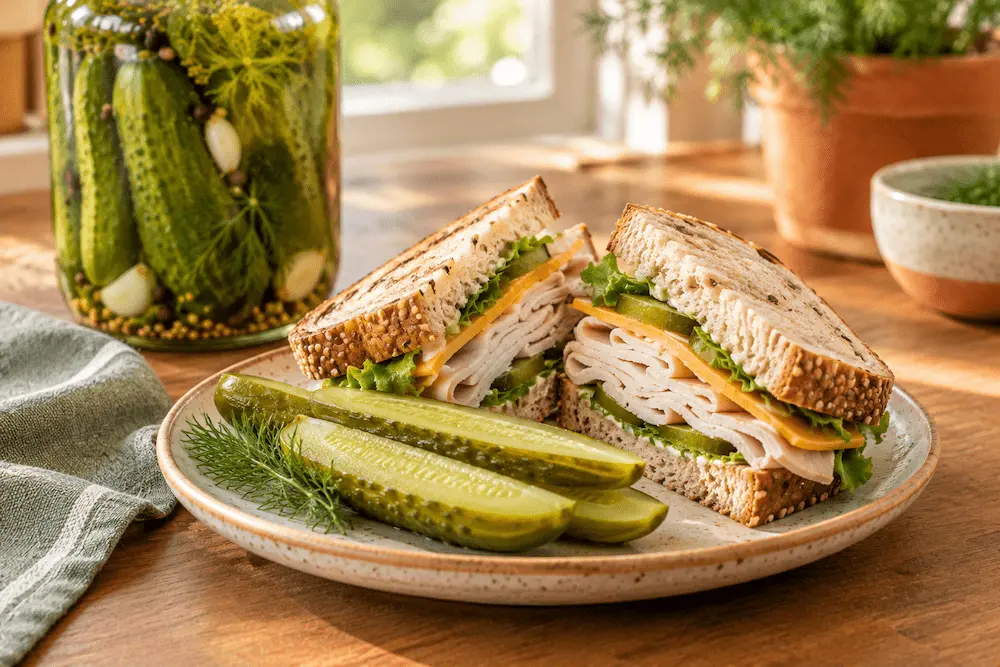
- Serve spears alongside sandwiches, burgers, and grilled cheese.
- Chop them into potato salad, tuna salad, or egg salad.
- Slice into rounds as a quick topping for tacos or avocado toast.
- Eat them straight from the jar as a snack.
If you’d rather start with a plainer brine and fewer cloves of garlic, my refrigerator dill pickles are a simpler place to begin.
Frequently Asked Questions
What makes a kosher dill pickle?
It is a deli-style pickle seasoned generously with garlic and dill. The name does not mean the pickle is certified kosher, though some commercial brands are.
How long do homemade kosher dill pickles last?
Kept in the refrigerator and submerged in brine, they are best for quality within about 4 weeks. Discard them sooner if you see mold, a slimy texture, bulging, fizzing, or an off smell.
Can I use regular cucumbers for kosher dill pickles?
You can, but slicing cucumbers have thicker skin and more seeds and tend to turn soft. Small pickling cucumbers such as Kirby give a crunchier result.
Do I need to can kosher dill pickles?
No. This is a refrigerator recipe and must be stored in the fridge. For shelf-stable pickles, use a tested canning recipe from the National Center for Home Food Preservation or your extension service.
Why did my garlic turn blue in the pickle jar?
Garlic can turn blue or green when it reacts with the acid in the brine. This is generally harmless if the pickles look and smell normal.
Can I make kosher dill pickles without vinegar?
Yes, by fermenting them in a salt brine, but that is a separate method with different timing and safety steps. This recipe uses vinegar for a faster, more predictable result.
Can I use dried dill instead of fresh?
Fresh dill heads or sprigs give the cleanest flavor. If you only have dried, a teaspoon of dill seed is a better substitute than dried dill weed, which tastes much weaker in a brine.
Can I reuse the brine for another batch?
No. Once it has sat with cucumbers, discard it and make fresh brine for your next jar.
More Pickling Projects to Try
Once these kosher dill pickles are in your routine, the jar-and-brine method opens up plenty of other projects: