How to Compost in an Apartment Without Smell (Beginner-Friendly Guide)
Yes, You Can Compost in a Tiny Apartment — Here’s How
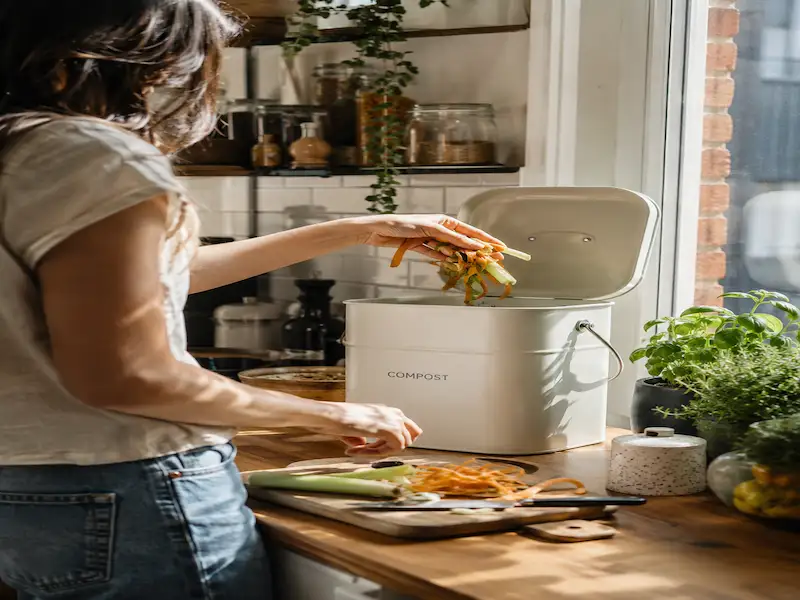
When I first looked into apartment composting, I assumed my kitchen would smell like a dumpster within a week.
Spoiler: it didn’t.
The truth is, composting in an apartment is much easier (and cleaner) than most people think — if you use the right method.
Whether you're trying to reduce food waste, grow healthier herbs, or simply live more sustainably, learning how to compost in an apartment without smell is one of the easiest beginner-friendly homesteading habits you can start.
And no — you don’t need a backyard.
In this guide, you’ll learn:
1.The best apartment composting methods
2.How to avoid smells and fruit flies
3.What you need to get started
4.The biggest beginner mistakes to avoid
5.Which composting system works best for renters
Let’s get into it.
Can You Really Compost in an Apartment?
Yes — even in a tiny studio apartment.
Modern composting methods are designed specifically for small spaces, meaning you can compost successfully in:
. Apartments
. Condos
. Dorm rooms
. Tiny kitchens
. Small balconies
Instead of giant outdoor piles, apartment composting uses compact, low-odor systems that fit easily into renter life.
Better yet? The compost can feed your plants.
If you’re growing herbs indoors, compost pairs perfectly with an indoor edible garden. (Internal link: “Best Herbs to Grow Indoors for Beginners”)
What You’ll Need to Get Started
This is the easiast way to start composting without overwhelm.
1. Countertop Compost Bin
Choose one with a charcoal filter lid to reduce odors.
Best for: beginners and small kitchens.
Affiliate opportunity: countertop compost bin
2. Compostable Liners
These make cleanup easier and reduce mess.
Affiliate opportunity: compostable liners
3. Bokashi Starter Kit (Optional)
If you want to compost meat and dairy, Bokashi is worth considering.
Affiliate opportunity: Bokashi bucket + bran starter
4. Red Wiggler Worms (Optional)
Only needed for vermicomposting.Don’t worry — they stay inside the bin.
Affiliate opportunity: red wiggler worm kit
5. Small Kitchen Scrap Container
A tiny container helps collect scraps during the week.
Affiliate opportunity: kitchen compost collector
Best Apartment Composting Methods
Not sure which method to choose?
Here’s a quick comparison.
For most beginners, a countertop compost bin is the easiest place to start.But let’s break them down.
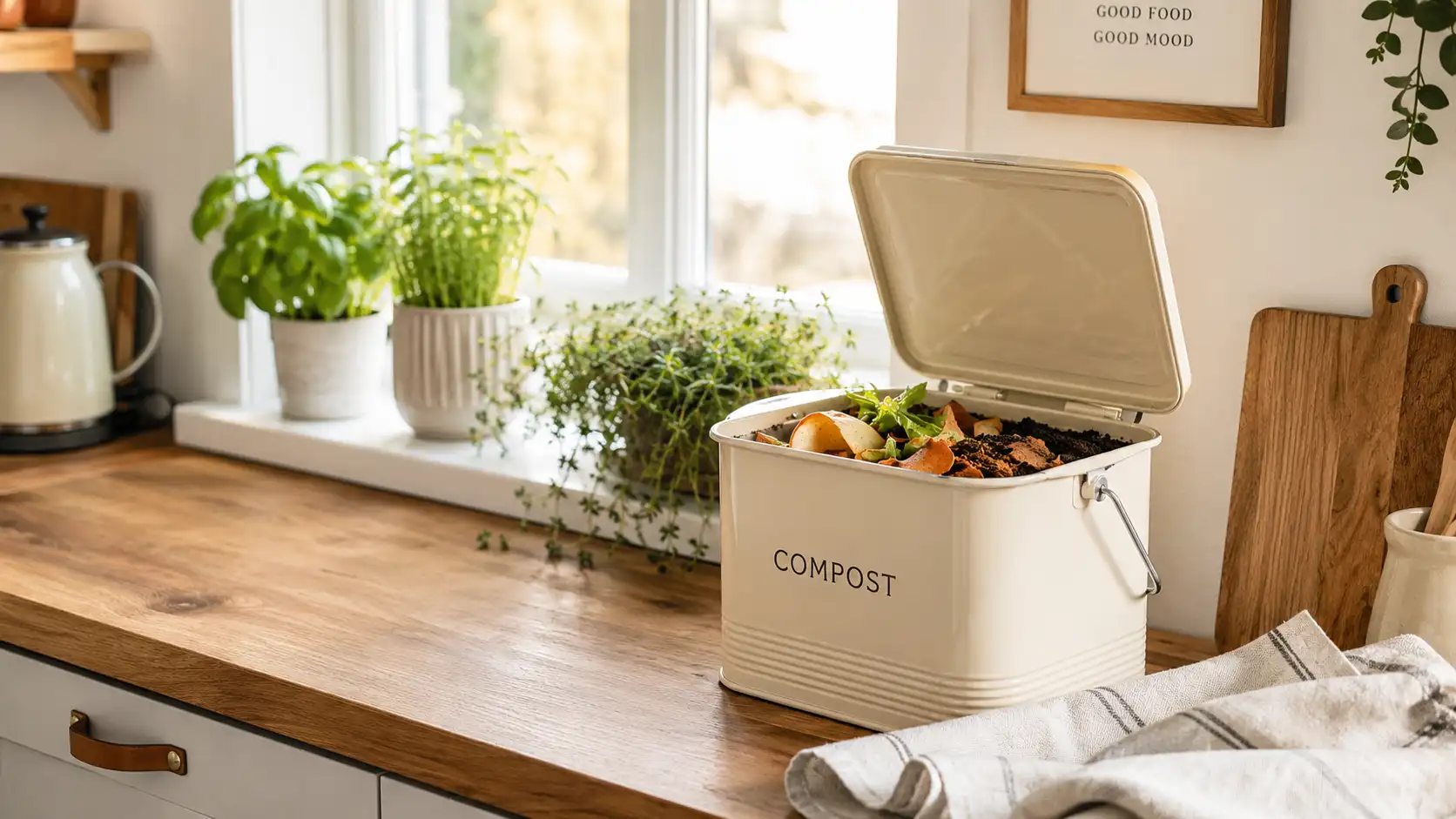
1. Countertop Composting (Best for Beginners)
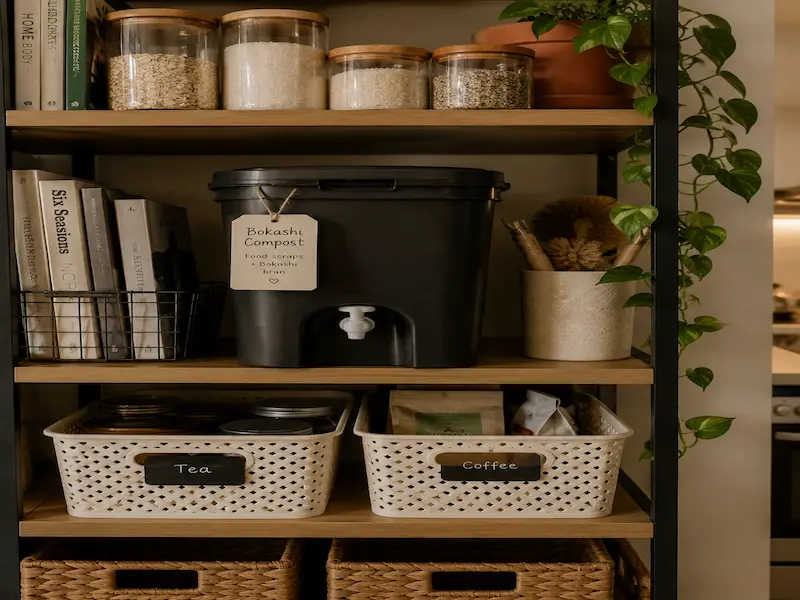
This is the easiest and least intimidating method.
A countertop compost bin simply stores food scraps until you’re ready to compost them or drop them off at a local compost collection point.Modern bins are surprisingly stylish and often include:
✔ Charcoal odor filters
✔ Tight-sealing lids
✔ Compact designs for small kitchens
What You Can Compost
. Fruit scraps
. Vegetable peels
. Coffee grounds
. Tea bags
. Eggshells
What to Avoid
. Meat Dairy
. Fish Greasy
. leftovers
These are the biggest cause of indoor smells.
Why It Works for Renters
You don’t need much room.Even a tiny apartment countertop corner works.
2. Bokashi Composting (Best for Apartments Without Smell)
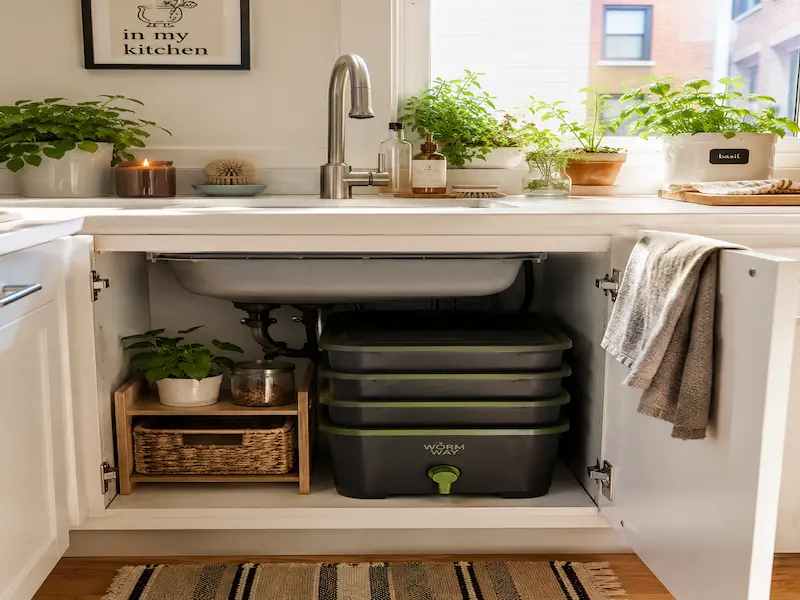
If avoiding smell is your #1 priority, Bokashi might be your best option.
Instead of traditional decomposition, Bokashi uses fermentation.
You add food scraps to a sealed bucket and sprinkle Bokashi bran between layers.Because it’s airtight, odor stays minimal.
And yes — you can compost things traditional systems can’t.
Including:
Meat
Dairy
Cooked leftovers
Pros
✔ Very little smell
✔ Small-space friendly
✔ Works in apartments
✔ Accepts more food types
Cons
✘ Slight learning curve
✘ Requires Bokashi bran Small bones
The first time I heard about fermenting food waste indoors, I thought, there’s no way this won’t smell awful.But surprisingly, the scent is usually mild — slightly sour, almost pickle-like.Not garbage-like.
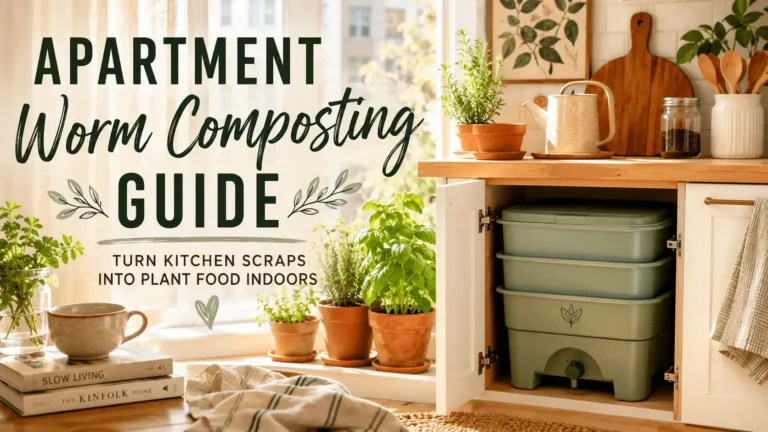
3. Vermicomposting (Worm Composting)
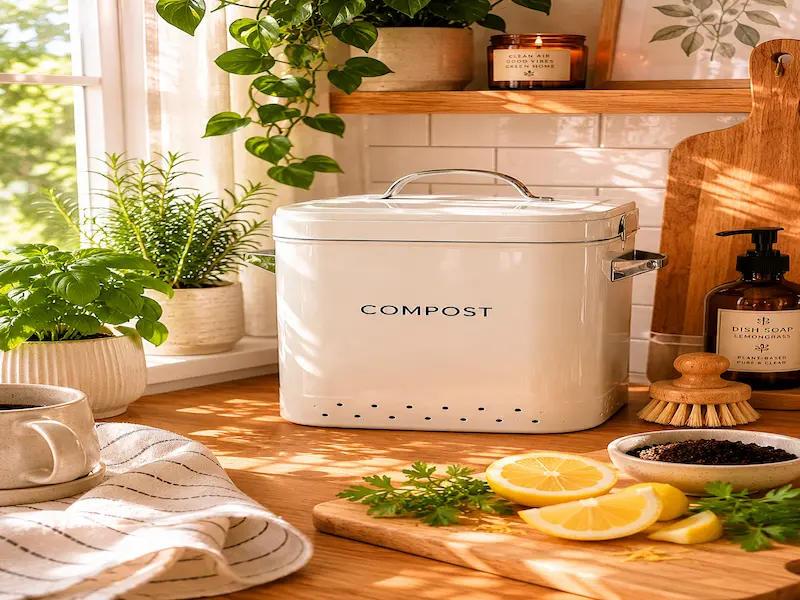
Yes, worms.
Stay with me.
Vermicomposting uses red wiggler worms to turn food scraps into nutrient-rich compost.It sounds intimidating, but many apartment gardeners swear by it.
Why?
Because the compost it creates is incredible for plants.If you grow herbs or balcony vegetables, this method is worth considering.(Internal link: “Vegetables You Can Grow on a Balcony”)
Best Worms for Composting
Use red wigglers, not regular garden worms.
Does It Smell?
No — not if maintained properly.
Healthy worm compost smells earthy, almost like fresh soil.
Bad smell usually means:
. Too much moisture
. Too much food
. Poor airflow
Best For
. Indoor gardeners
. Plant lovers
. Serious apartment homesteaders
How to Compost in an Apartment Without Smell
This is the part everyone worries about.
Here’s how to avoid smells completely.
1. Use a Charcoal Filter Bin
This is non-negotiable for beginners.
Filters trap odors before they spread.
2. Empty Scraps Regularly
Try every 2–5 days.
Don’t let scraps pile up too long.
3. Freeze Smelly Food Scraps
A simple freezer bag works wonders.
No smell. No bugs.
4. Add Dry Materials
Balance wet scraps with:
. Shredded cardboard
. Brown paper
. Dry leaves
Too much moisture causes stink.
5. Avoid Meat & Dairy
(Unless Using Bokashi)This alone prevents most apartment compost problems.
Common Apartment Composting Mistakes
Using a Bin That’s Too Large
Start small.
You can always upgrade later.
Overfilling the Bin
Too much food = smell.
Forgetting Dry Materials
Wet compost turns gross fast.
Ignoring Airflow
Unless you use Bokashi,
airflow matters.
Waiting Too Long to Empty It
This attracts fruit flies.
Why Apartment Composting Is Worth It
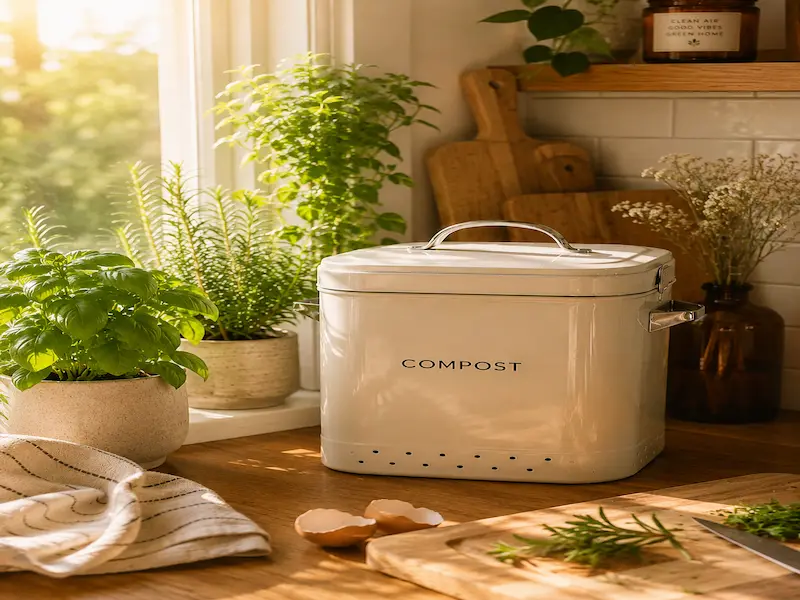
Apartment composting isn’t just about reducing waste.
It helps you:
. Cut down trash
. Feed your plants naturally
. Save money on fertilizer
. Build sustainable habits
If you’re growing herbs indoors, compost becomes even more useful.(Internal link: “How to Start a Windowsill Herb Garden”)And if sustainability matters to you, pair this with simple low-waste habits.(Internal link: “Easy Zero Waste Swaps for Renters”)
Frequently Asked Questions
Frequently Asked Questions
Does apartment composting smell?
Not if done correctly.A sealed container and regular emptying make a huge difference.
Will compost attract bugs?
Only if scraps sit too long or food is exposed.
What’s the easiest composting method?
A countertop compost bin is easiest for beginners.
Can I compost without a balcony?
Absolutely.
Indoor kitchens work perfectly.
Final Thoughts
Apartment composting sounds intimidating until you realize how simple it actually is.You don’t need land.You don’t need fancy equipment.And you definitely don’t need to tolerate bad smells.Start small.A tiny countertop compost setup today can lead to healthier plants, less waste, and a more sustainable home tomorrow.