Sourdough Discard Pancakes: Fluffy, Tangy, and Ready in 20 Minutes
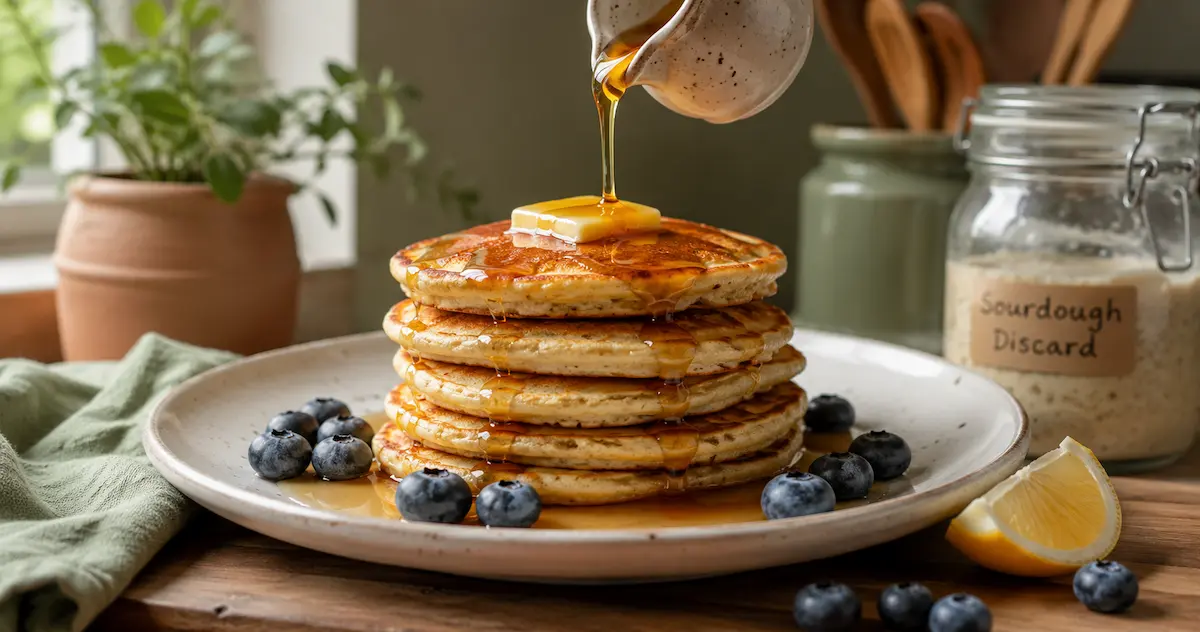
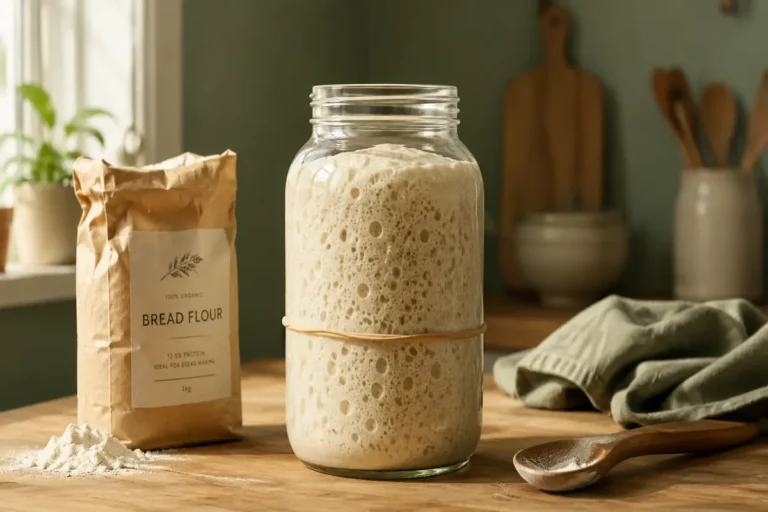
Sourdough discard pancakes are the recipe that turns starter maintenance from a chore into something you look forward to. Every time you feed your starter you have discard to use — and these pancakes are ready in 20 minutes with one bowl, no special equipment, and ingredients you already have.
What makes sourdough discard pancakes different from regular pancakes is not just the tang. The natural acids in the discard react with baking soda to produce exceptional lift, and the fermentation process partially breaks down the gluten in the flour — making these pancakes noticeably lighter, fluffier, and easier to digest than any pancake made from a box mix.
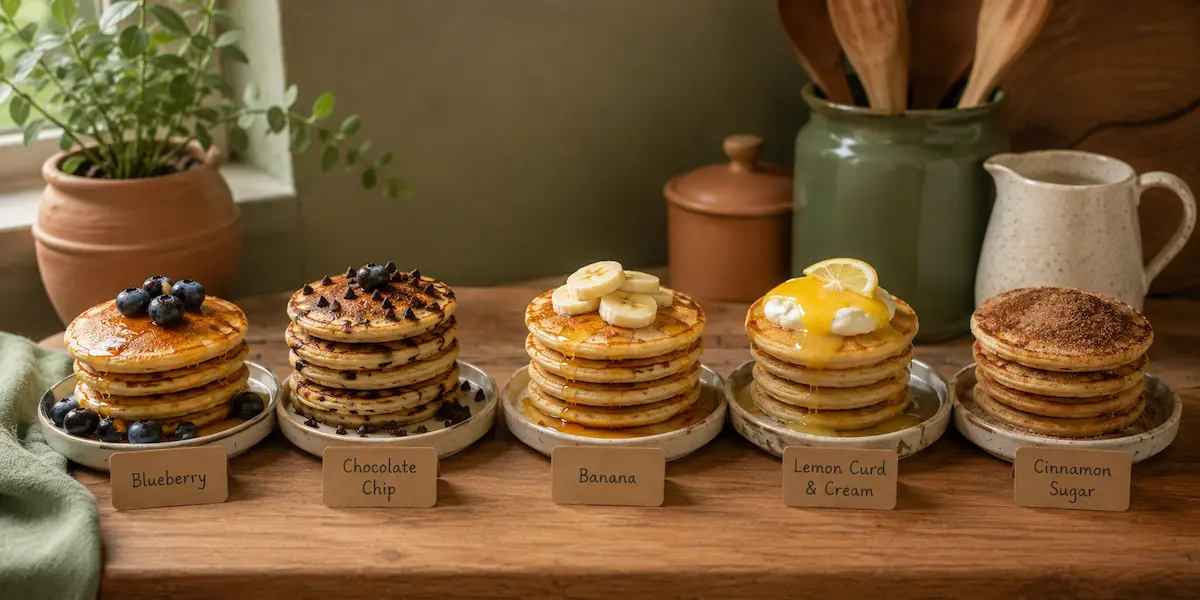
This guide covers the full recipe with two methods — same-day and overnight — five flavour variations, and every common sourdough discard pancake problem with a clear fix.
Ingredients
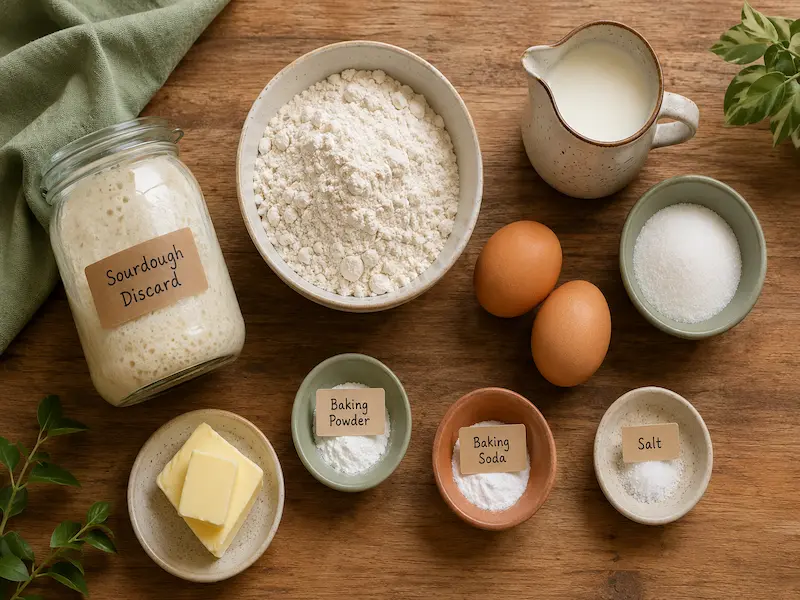
Why both baking powder and baking soda? Baking powder makes the pancakes rise and stay fluffy. Baking soda reacts specifically with the natural acids in the sourdough discard, lightening the texture and neutralising the sharpest tang. Using both is the key to sourdough discard pancakes that are light, airy, and tender rather than flat and dense. Do not substitute one for the other.
Same-Day Method — 20 Minutes Start to Table
Overnight Method — Even Fluffier, More Flavour
The overnight method produces noticeably more flavourful sourdough discard pancakes with an extra-tender crumb because the batter ferments slowly in the fridge, allowing the discard's bacteria to break down more of the flour's starch and gluten.
The night before: Combine the sourdough discard, milk, egg, butter, flour, and sugar in a bowl. Do not add the baking powder, baking soda, or salt yet. Cover and refrigerate overnight — or up to 16 hours.
In the morning: Remove the batter from the fridge and let it come to room temperature for 15 minutes. Add the baking powder, baking soda, and salt and fold in gently. Cook immediately — the leavening reaction begins as soon as the baking soda contacts the acids in the discard and batter left to sit too long after this point loses its rise.
5 Sourdough Discard Pancake Variations
Troubleshooting Sourdough Discard Pancakes
Pancakes are flat and dense. Almost always caused by overmixing — the batter was stirred until smooth rather than left lumpy. The second most common cause is old baking powder that has lost its potency. Test your baking powder by dropping a teaspoon into hot water — if it does not bubble immediately, replace it. Your sourdough discard pancakes will never be fluffy with dead leavening.
Pancakes are raw in the middle. Heat is too high. The outside sets and colours before the centre has time to cook through. Lower the heat to medium-low, make a test pancake before cooking the full batch, and remember that the pan gets progressively hotter as you cook — turn the heat down slightly after the first two batches.
Pancakes taste too sour. Old discard (1 to 2 weeks from the fridge) is sharper than fresh discard. For milder sourdough discard pancakes use discard that is less than 3 days old. Adding an extra teaspoon of sugar also balances the tang without affecting texture.
Batter is too thick. Different sourdoughs have different hydration levels — a stiffer starter produces a thicker discard. Add milk one tablespoon at a time until the batter falls off a spoon in a slow, thick ribbon. It should be thicker than double cream but pourable — not firm like cookie dough.
Batter is too thin. Very wet discard (high hydration starters) can make the batter runny. Add a tablespoon of flour at a time until it reaches the right consistency. Thin batter spreads too far in the pan and produces flat crispy pancakes rather than thick fluffy ones.
Storing and Reheating
Sourdough discard pancakes reheat better than almost any other pancake because the fermentation makes them more moisture-retentive — they do not dry out or turn rubbery the way standard pancakes do.