Urban Homesteading vs. Apartment Homesteading: What’s the Difference?
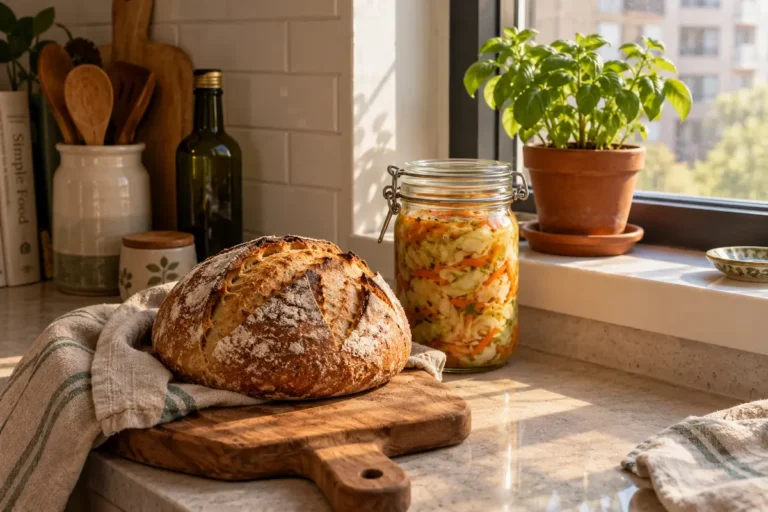
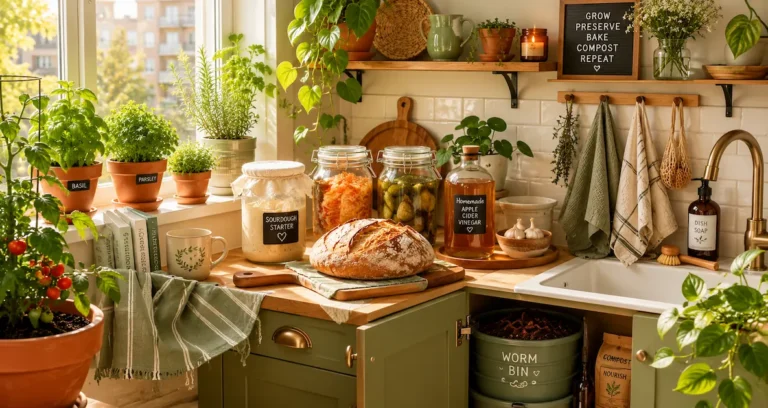
Search either term and you’ll get largely the same results — sourdough starters, balcony gardens, DIY cleaning products, jars of pickles lined up on a counter. That overlap is real, and it’s exactly why the two terms get used interchangeably so often. But they aren’t quite synonyms, and understanding the distinction actually helps clarify what kind of space, resources, and commitment each approach assumes — useful if you’re trying to figure out which label fits your own situation, or just curious why both terms keep showing up side by side.
What Urban Homesteading Actually Means
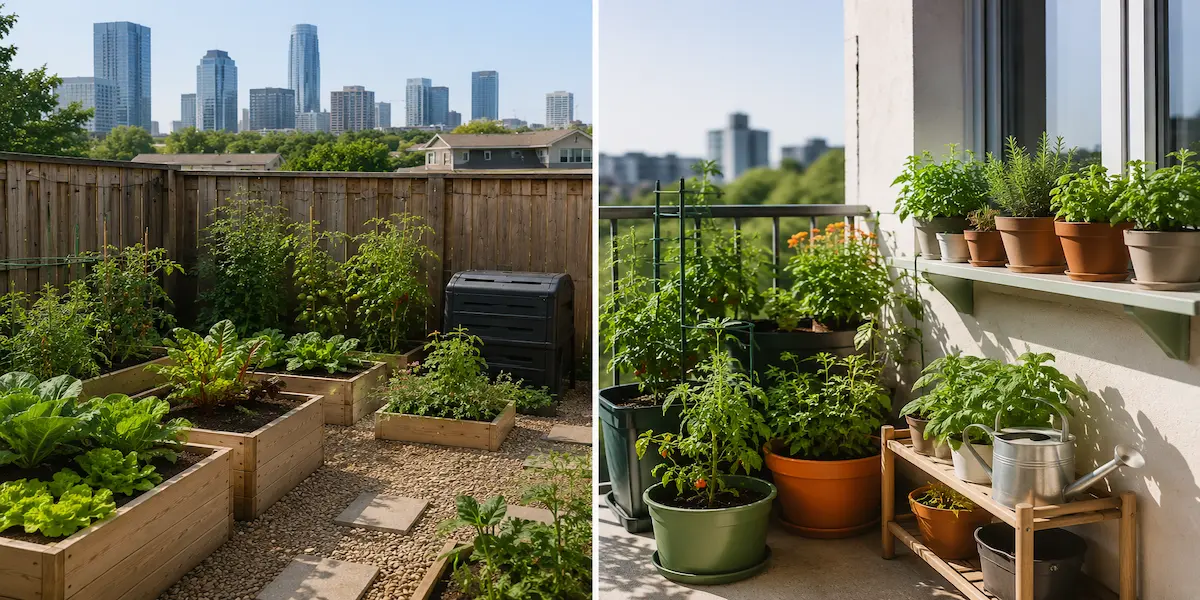
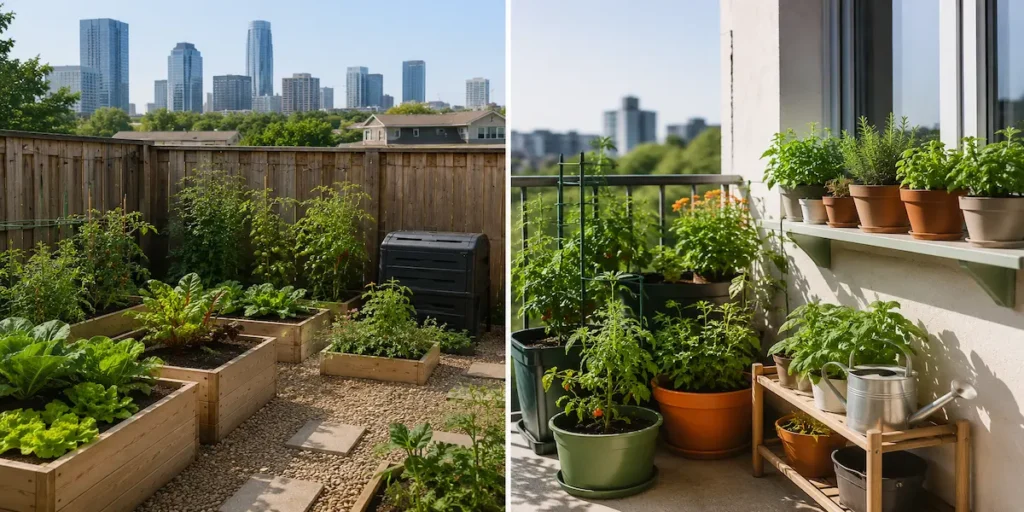
Urban homesteading is the broader term. It describes a self-sufficiency lifestyle practiced within a city, and it makes no assumptions about what kind of housing you live in. An urban homesteader might live in a single-family house with a small backyard, a duplex with a shared patch of dirt, or an apartment with nothing but a windowsill. The defining feature is the location — dense, urban, often without access to acreage or a rural setting — not the specific constraints of the dwelling itself.
Because of that broader scope, urban homesteading as a movement tends to include practices that need a bit more space than a typical apartment offers: keeping backyard chickens, running a full compost bin outdoors, maintaining raised garden beds, or even small-scale beekeeping. These aren’t universal to every urban homesteader, but they show up often enough in the broader urban homesteading community that the term has come to imply at least the possibility of outdoor square footage, even if a rented yard rather than owned land.
What Apartment Homesteading Actually Means
Apartment homesteading is the narrower, more specific term — and it’s the one this site is built around. It describes self-sufficiency practices adapted specifically for life in a rented apartment or condo: no yard, often no balcony, sometimes strict lease restrictions on what you can modify, install, or grow. Where urban homesteading assumes a city setting but leaves the housing type open, apartment homesteading starts from the housing constraint and works outward from there.
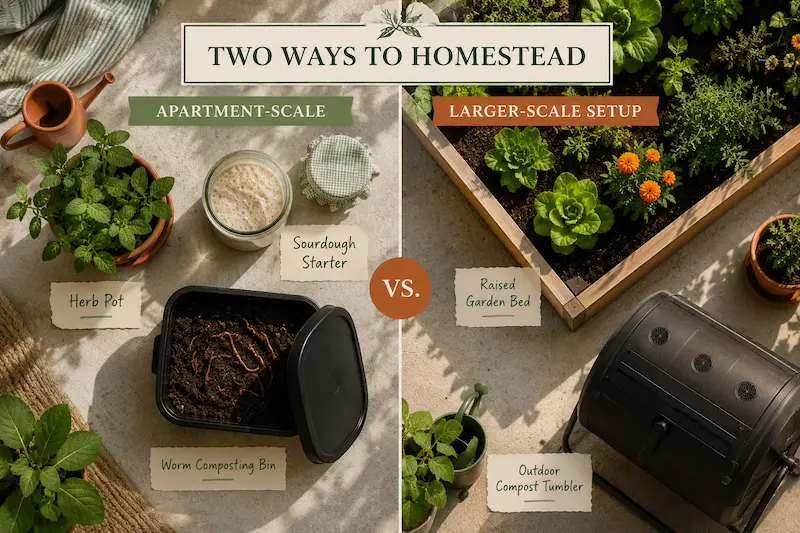
This distinction matters because it changes which practices are realistic. Backyard chickens are simply off the table for the vast majority of apartment homesteaders — no yard means no chickens, full stop, regardless of how motivated someone is. What apartment homesteading emphasizes instead is what our complete guide to apartment homesteading covers in detail: container gardening on windowsills and balconies, indoor fermentation and sourdough baking, small-scale composting systems built for tight spaces, and DIY household products that don’t require any outdoor square footage at all.
Where the Two Overlap
The overlap is genuinely large, which is why the terms blur together so easily in everyday conversation. Both approaches share the same underlying values: reducing dependence on store-bought goods, learning traditional food preservation skills, cutting down on waste, and building a more intentional relationship with what you consume. Someone practicing either lifestyle is likely fermenting vegetables, baking their own bread from a sourdough starter, growing at least some of their own food, and making a few household staples from scratch rather than buying them.
Does the Label Actually Matter?
Practically speaking, no — not for your day-to-day practice. Nobody’s checking credentials at the door of either community, and most people who care about this distinction at all are asking out of curiosity rather than needing to pick a side. What the label does affect is how useful a piece of content is likely to be for your specific situation. A guide written from a general urban homesteading perspective might casually mention a backyard coop or an outdoor raised bed as a given, which is frustrating and irrelevant if you’re working from a fourth-floor apartment with a single south-facing window.
That’s really the reason this distinction is worth naming at all: it helps you filter which advice applies to your actual constraints. If you’re renting with no outdoor space, apartment homesteading content — built from that constraint outward rather than assuming it away — is going to save you time and disappointment compared to general urban homesteading content that occasionally assumes more square footage than you have.
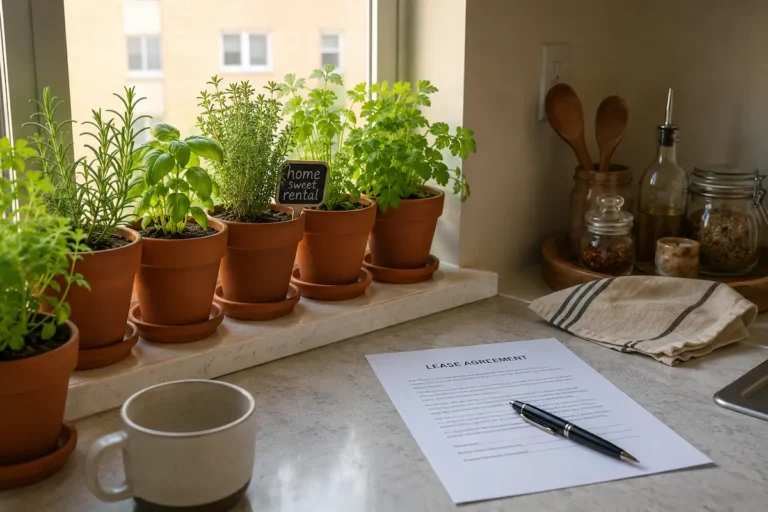
If you’re navigating specific lease or landlord concerns as part of that filtering process — see our homesteading for renters guide for what your lease actually restricts — it’s worth reading your lease closely before assuming a restriction applies — many renters find the actual language is more permissive than the general reputation of “no modifications” clauses suggests, especially for anything that leaves no permanent trace.
A Quick Gut-Check: Which One Describes You?
- If you have any outdoor space at all — even a small yard or a patch of dirt shared with neighbors — and you’re using it, you’re probably more accurately described as an urban homesteader with room to grow.
- If your homesteading practice happens entirely indoors or on a balcony, with no yard and often under a lease that limits what you can install or modify, apartment homesteading is the more precise term for what you’re doing.
- If you’re just getting started and unsure which constraints will actually apply to you, our complete guide to apartment homesteading is built to work regardless of which label ends up fitting — it starts from the most restrictive case (no yard, no balcony, strict lease) and adds options back in as space allows, which covers most urban homesteading scenarios too.
Frequently Asked Questions
Is apartment homesteading a type of urban homesteading?
In most cases, yes — apartment homesteading fits within the broader umbrella of urban homesteading, since apartments are almost always located within cities or dense suburban areas. Think of apartment homesteading as the most space-constrained version of the urban homesteading spectrum, rather than a completely separate category.
Can you be an urban homesteader without a yard?
Yes. While the urban homesteading community broadly includes people with backyard chickens and raised beds, plenty of urban homesteaders work entirely from balconies, patios, or indoor space — at that point, their practice looks functionally identical to apartment homesteading, even if they don’t use that specific term.
Which term should I use if I’m writing about my own homesteading journey?
Use whichever term matches your actual living situation and resonates with the community you want to connect with. If you’re specifically speaking to other renters navigating lease restrictions and zero outdoor space, “apartment homesteading” signals that clearly. If your audience or interest spans a broader range of city-dwelling setups, “urban homesteading” is the more inclusive term.
Do urban homesteaders and apartment homesteaders follow different rules or laws?
Not different laws exactly, but different practical restrictions. Urban homesteaders with backyard space may need to check city ordinances around livestock or beekeeping, while apartment homesteaders are more likely to be navigating lease clauses and HOA or building management rules rather than municipal code. Both should verify their local regulations and, for renters, their lease terms before making any structural changes or bringing in animals.