Water Kefir Recipe: How to Make Fizzy Probiotic Drinks at Home

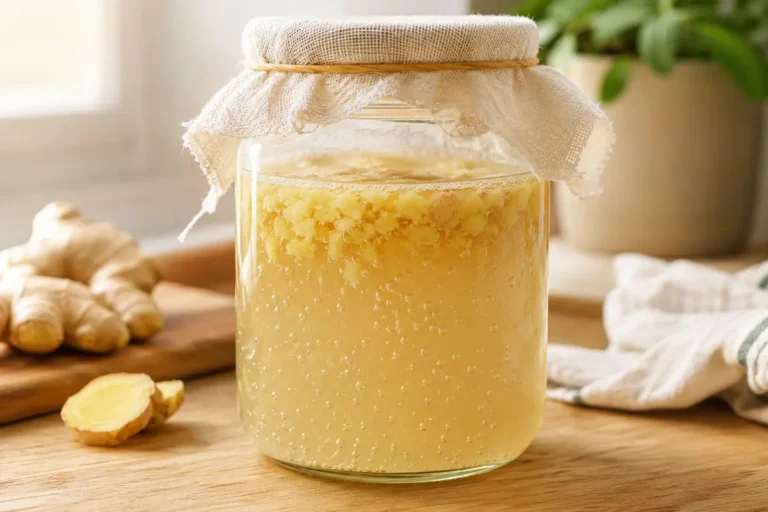
A water kefir recipe needs three things — water, sugar, and a small culture of live water kefir grains. That is the whole ingredient list. The grains do the rest, transforming plain sugar water into a lightly fizzy, mildly tangy probiotic drink in 24 to 48 hours.
Water kefir is dairy-free, gluten-free, and produces a drink that is genuinely enjoyable rather than medicinal tasting — and if you'd rather work with dairy, milk kefir is worth trying too. Unlike kombucha which takes 7 to 14 days and needs a specific temperature range, this water kefir recipe is ready in two days and works at normal room temperature in any apartment kitchen.
Once you have the grains, each batch costs a few cents to make — and the grains reproduce with every fermentation cycle, meaning your water kefir supply is self-renewing indefinitely.
Water Kefir Benefits — Why Make This at Home
Before getting into the water kefir recipe itself, here is what the drink actually delivers and why it is worth making.
What You Need for This Water Kefir Recipe
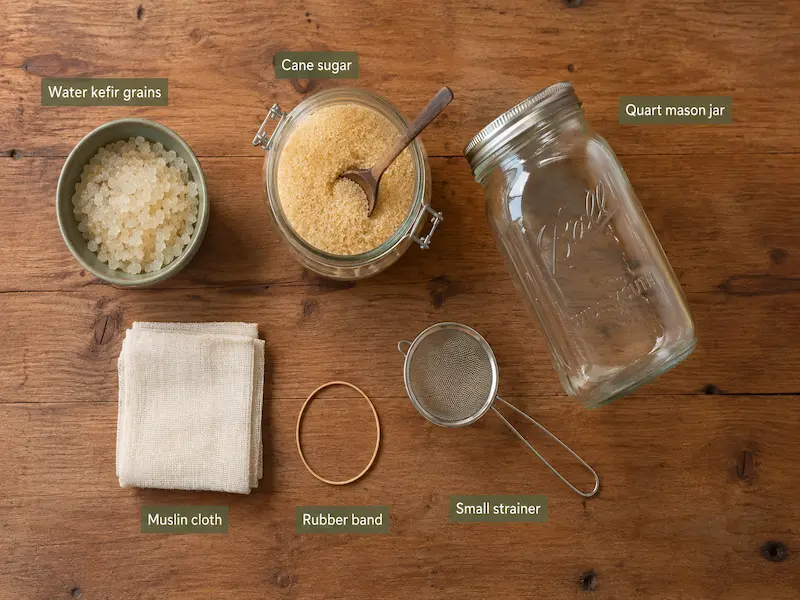
On the water: Tap water often contains chlorine which can damage the grains over time. Either use filtered water, leave tap water in an open container for 30 minutes before using (chlorine dissipates), or use bottled still water.
On the sugar: Organic cane sugar or raw sugar works best. Avoid honey — its antimicrobial properties can harm the grains. White refined sugar works but provides fewer minerals for the grains to thrive.
On sourcing grains: Buy live (not dehydrated) grains from a specialist fermentation supplier online. Some health food stores stock them. Many home fermenters also share surplus grains — fermentation communities on Facebook and Reddit are good places to find free local grains.
The Water Kefir Recipe — First Fermentation
Second Fermentation — How to Build Natural Fizz and Flavour

The first fermentation produces the probiotic drink. The second fermentation — bottling the strained liquid with a small amount of fruit juice or flavouring for another 24 to 48 hours — builds natural carbonation and adds flavour.
How to do the second fermentation:
Pour the strained water kefir into sealed flip-top or screw-top glass bottles. Add your chosen flavouring. Leave 2 to 3cm of headspace at the top — enough room for gas to build. Seal airtight and leave at room temperature for 24 to 48 hours, burping each bottle once daily by opening briefly over a sink to release pressure. When you hear a healthy hiss on opening, move all bottles to the fridge. The cold slows fermentation and preserves the carbonation.
Flavour combinations for the second fermentation:
Water Kefir vs Kombucha vs Milk Kefir
Troubleshooting Your Water Kefir Recipe
No bubbles and no fizz after 48 hours. The grains need a mineral boost. Add a pinch of sea salt or a small piece of dried fruit to your next batch — filtered or distilled water strips minerals that the grains need to thrive. Also check your temperature — below 65°F the grains become sluggish and may produce little activity.
Water kefir is too sweet. Fermentation did not complete — either the grains are not active enough or the temperature was too cold. Let it ferment for another 12 to 24 hours and taste again. Very new or recently dehydrated grains can take 3 to 5 batches to reach full activity.
Water kefir is too sour. Over-fermented — left too long or fermented somewhere too warm. Taste from 24 hours onwards and strain earlier next time. You can dilute an over-sour batch with fresh water or juice rather than wasting it.
Grains are not growing. Grains multiply when well-fed and properly mineralised. If yours are staying the same size after multiple batches, try switching to mineral water for a few batches, adding a dried fig, or reducing the batch size so the sugar-to-grain ratio improves.
Finished water kefir is cloudy. Completely normal — cloudiness indicates active fermentation and live bacteria. Clear water kefir is actually less active. Slight sediment at the bottom of the bottle after second fermentation is also normal yeast sediment.