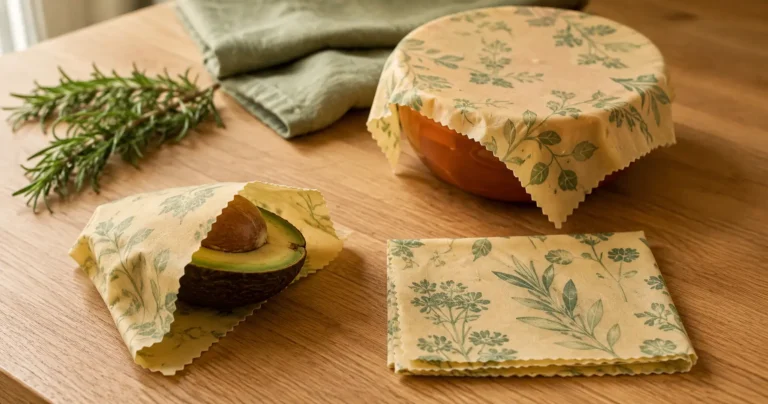
Three amber glass spray bottles of DIY all purpose cleaner on a clean kitchen counter with handwritten labels, fresh lemon halves and rosemary sprigs beside them, and a white vinegar bottle visible in the background

DIY All Purpose Cleaner: 3 Recipes That Actually Work
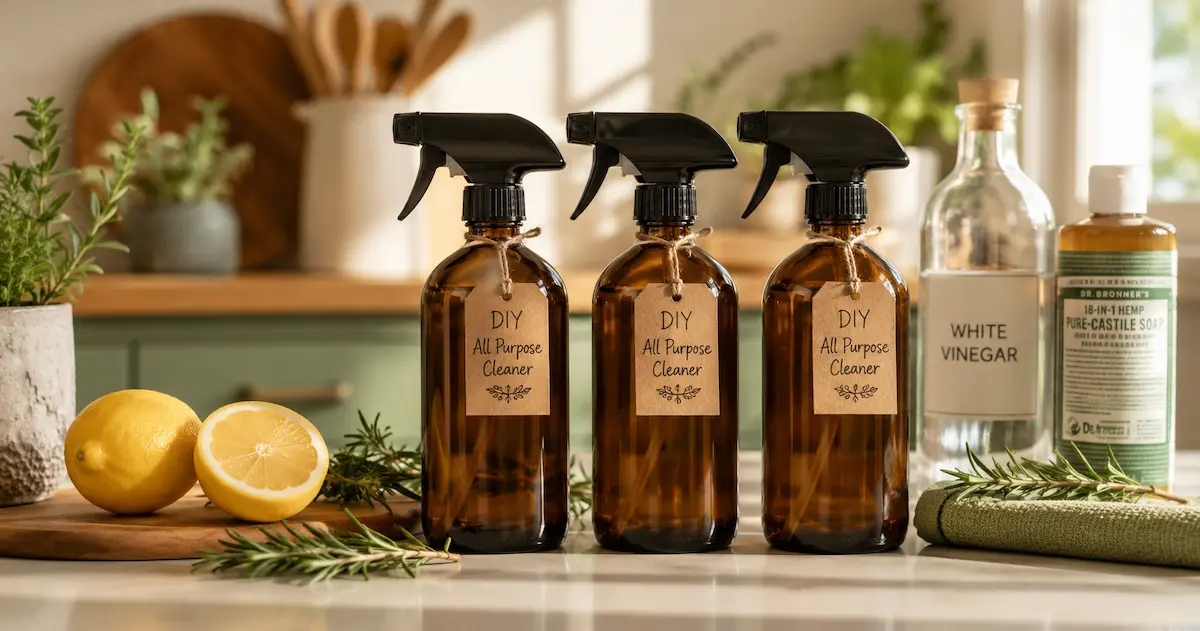
Three amber glass spray bottles of DIY all purpose cleaner on a clean kitchen counter with handwritten labels, fresh lemon halves and rosemary sprigs beside them, and a white vinegar bottle visible in the background

A DIY all purpose cleaner costs under fifty cents to make, takes three minutes to put together, and cleans every surface in your apartment as effectively as any commercial product. It contains no synthetic fragrance, no harsh chemical residue, and comes in a reusable glass bottle rather than a single-use plastic one.

Most commercial all purpose cleaners are 90% water mixed with a surfactant, fragrance, and preservatives — ingredients that cost the manufacturer pennies per bottle but retail for four to six dollars. Making your own DIY all purpose cleaner replaces all of that with three things you likely already have: white vinegar, water, and something that smells good.

This guide covers three homemade all purpose cleaner recipes — one for everyday surfaces, one for kitchens and grease, and one for bathrooms — plus the surfaces you should never use them on and exactly how to store them.

What makes a DIY all purpose cleaner actually work

White vinegar is a mild acid (pH around 2.5) that dissolves mineral deposits, cuts through soap scum, and kills many common household bacteria and viruses. It is the active cleaning agent in all three recipes.

Castile soap is a plant-based surfactant that lifts grease and grime from surfaces. It is used in the kitchen and bathroom versions of this homemade all purpose cleaner where vinegar alone is not enough to cut through heavy buildup.

What You Need

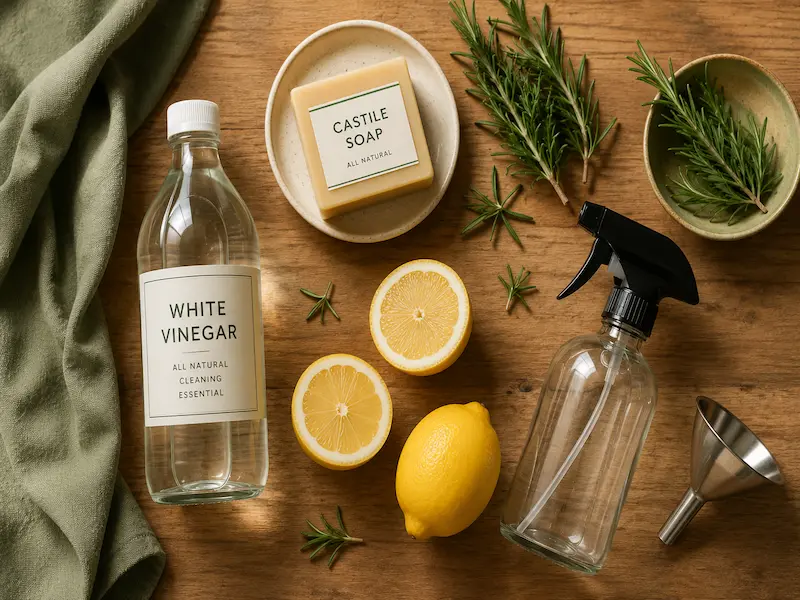
DIY all purpose cleaner ingredients flat lay on a wooden surface including a bottle of white vinegar, castile soap, fresh rosemary sprigs, lemon halves, an amber glass spray bottle, and a small funnel

🧴 Ingredients

  • White distilled vinegar
  • Water — filtered or tap
  • Liquid castile soap (for grease and bathroom recipes)
  • Essential oil or fresh citrus peel — optional, for scent

🫙 Equipment

  • Glass spray bottle — 16oz / 500ml
  • Small funnel
  • Measuring jug or cup
  • Labels or masking tape to mark each bottle

On the bottle: Glass is strongly preferred over plastic for any homemade cleaning spray containing vinegar or essential oils — both can degrade certain plastics over time and leach microplastics into the solution. Amber glass spray bottles are inexpensive and last indefinitely. This is one of the zero waste swaps that genuinely pays for itself within a few weeks.

Recipe 1 — Everyday DIY All Purpose Cleaner

This is the core homemade all purpose cleaner for countertops, appliance exteriors, glass surfaces, mirrors, and general wiping down. It is the recipe you will use most often.

Everyday Homemade All Purpose Cleaner — Makes 500ml

White distilled vinegar250ml (1 cup)
Water250ml (1 cup)
Lemon peel or 15 drops essential oilOptional

Method: Pour water and vinegar into your glass spray bottle using a funnel. Add lemon peel or essential oil if using. Seal and shake gently to combine. Label clearly and store under the sink or in a cupboard away from direct sunlight.

Best used on: Kitchen countertops, stovetop exteriors, appliance surfaces, glass, mirrors, tiled surfaces, and general household wiping.

Scent tip: Drop lemon, lime, or orange peel into the vinegar and let it infuse for 2 weeks before making your homemade cleaning spray. The citrus oils naturally cut through grease and leave a clean citrus scent rather than the sharp vinegar smell.

Recipe 2 — Kitchen Degreaser

This DIY all purpose cleaner version handles cooking grease on stovetops, range hoods, and splashbacks — situations where the everyday recipe is not strong enough.

Kitchen Degreaser — Makes 500ml

White distilled vinegar200ml
Water250ml
Liquid castile soap1 tablespoon
Lemon essential oil10 drops

Method: Add the water to the bottle first, then the vinegar, then the castile soap. Add the castile soap last and pour it slowly — adding it first causes excessive foaming. Seal, label, and shake gently.

Best used on: Stovetop, range hood, greasy splashbacks, oven exterior, and any cooking surface with built-up grease.

Important: Do not mix castile soap and vinegar together in large quantities and store long-term — the acid in the vinegar can neutralise the soap over time. Make this degreaser in small batches and use within 2 to 3 weeks for best results.

Recipe 3 — Bathroom Homemade Cleaning Spray

This version of the homemade all purpose cleaner uses a higher vinegar concentration for soap scum and limescale, plus castile soap for general bathroom surfaces.

Bathroom Homemade Cleaning Spray — Makes 500ml

White distilled vinegar300ml
Water180ml
Liquid castile soap1 teaspoon
Tea tree essential oil15 drops

Method: Add water, then vinegar, then castile soap, then tea tree oil. Seal and shake gently. Tea tree oil has genuine antibacterial and antifungal properties that make it particularly suited to bathroom use.

Best used on: Sink, bathtub, shower tiles, toilet exterior, taps, and bathroom mirrors. Do not use on natural stone — see the surfaces to avoid section below.

Surfaces to Never Use Your DIY All Purpose Cleaner On

This is the most important section in this guide. Vinegar is acidic — and acid damages certain surfaces permanently.

SurfaceWhy to avoidUse instead
Natural stone (marble, granite, travertine)Acid etches and permanently dulls the surfacepH-neutral stone cleaner or warm soapy water
Hardwood floorsVinegar strips the finish over timeManufacturer-recommended wood floor cleaner
Cast iron cookwareAcid destroys the seasoning and causes rustHot water and a stiff brush only
Egg-based stainsAcid sets the protein and makes it harder to removeCold water first, then mild soap
Waxed surfacesAcid strips the wax coatingWarm water and mild soap
Natural Stone (marble, granite, travertine)
WhyAcid etches and permanently dulls surface
Use insteadpH-neutral stone cleaner or warm soapy water
Hardwood Floors
WhyVinegar strips the finish over time
Use insteadManufacturer-recommended wood floor cleaner
Cast Iron Cookware
WhyDestroys seasoning and causes rust
Use insteadHot water and a stiff brush only
Egg-Based Stains
WhyAcid sets protein and makes it harder to remove
Use insteadCold water first, then mild soap
Waxed Surfaces
WhyAcid strips the wax coating
Use insteadWarm water and mild soap

How Much Does a Homemade All Purpose Cleaner Save?
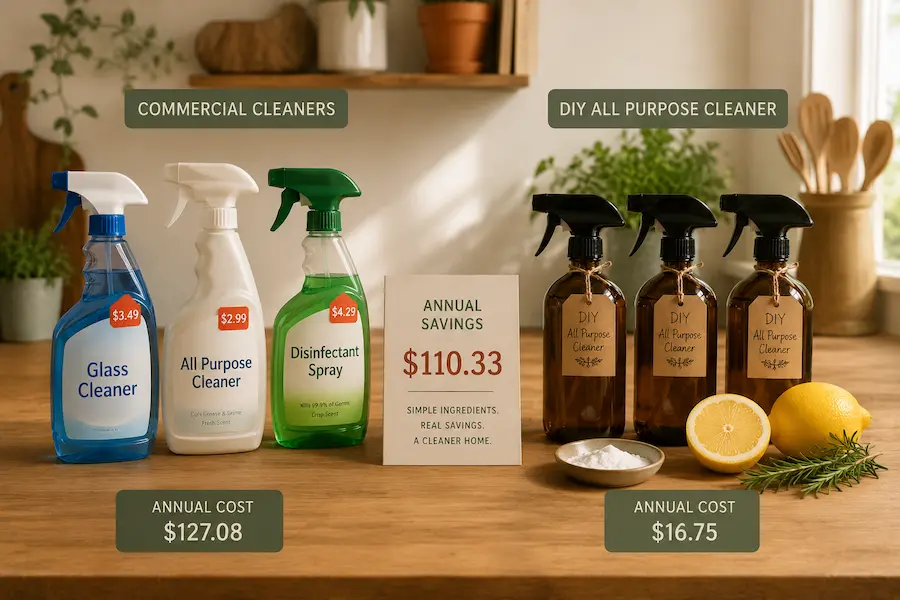
Side by side comparison on a wooden kitchen counter showing three commercial cleaning spray bottles with price stickers on the left and three amber glass DIY all purpose cleaner bottles with handwritten labels on the right

A standard 32oz bottle of commercial all purpose cleaner costs between $4 and $7. The average household uses 3 to 4 bottles per year — spending $15 to $28 annually on one cleaning product alone.

The same quantity of homemade all purpose cleaner costs:

  • White vinegar — a 1-gallon jug costs $3 to $4 and makes 8 to 10 bottles of cleaner
  • Castile soap — a 32oz bottle costs $8 to $12 and lasts 6 to 12 months of cleaning
  • Glass bottles — a set of 4 costs $10 to $15 once and lasts indefinitely

Annual cost of making your own diy all purpose cleaner: approximately $5 to $8 per year after the initial bottle purchase. Annual saving compared to buying commercial products: $10 to $20 per year — plus the elimination of 3 to 4 single-use plastic bottles from your household waste.It is a small saving on its own. Combined with other homemade cleaning products and zero waste swaps like reusable paper towels, the cumulative impact on both your budget and your plastic waste is more meaningful.
Frequently Asked Questions

Does a DIY all purpose cleaner actually disinfect?

White vinegar at full strength kills many common bacteria and viruses including E. coli and Salmonella. Diluted to a 1:1 ratio with water it is less potent but still effective for everyday cleaning. For situations requiring full disinfection — after handling raw meat, for example — use undiluted white vinegar or a food-safe disinfectant spray. Tea tree oil in the bathroom recipe adds genuine antifungal and antibacterial action that complements the vinegar.

Will my DIY all purpose cleaner smell like vinegar?

Briefly, while the surface is wet — but the vinegar smell dissipates completely as it dries. Adding citrus peel, lemon essential oil, or lavender oil significantly reduces the smell even while wet. The finished homemade all purpose cleaner on a dry surface has no vinegar smell at all.

How long does homemade cleaning spray last?

The vinegar and water version lasts indefinitely — vinegar is self-preserving. The versions containing castile soap are best used within 2 to 3 weeks as the soap can separate over time. Store all versions in a cool, dark cupboard away from direct sunlight and shake before each use.

Can I use this homemade all purpose cleaner on my phone or electronics?

No. Vinegar is too acidic for electronic screens and can damage oleophobic coatings on phone screens and laptop displays. Use a dry microfibre cloth for screens and electronics. The homemade cleaning spray is for hard non-porous household surfaces only.

Is making your own cleaning products worth the effort?

Three minutes to make, pennies per bottle, no plastic packaging, and no synthetic fragrance in your living space — yes. The effort is genuinely minimal. The bigger value is not the financial saving but the reduction in chemical load in a small apartment space and the elimination of single-use plastic from your household. It fits naturally alongside other zero waste swaps like reusable paper towels and apartment composting as part of a broader approach to reducing waste at home.

Can I use apple cider vinegar instead of white vinegar?

Technically yes — apple cider vinegar has similar acidity to white vinegar. But it is amber-coloured and can stain light-coloured surfaces over time, and it costs significantly more. White distilled vinegar is always the better choice for a diy all purpose cleaner. Save your apple cider vinegar for drinking and cooking — or make your own from scraps. Our guide to apple cider vinegar from scraps shows exactly how.

More Zero Waste Swaps for Your Apartment Kitchen

🧻

Replace paper towels too

Make a set of 12 reusable cloth alternatives in 30 minutes from old fabric — saves $80 a year.

Reusable Paper Towels Guide →
🪱

Compost your kitchen scraps

Turn vegetable peel, coffee grounds, and food scraps into free plant fertilizer — no garden needed.

Apartment Composting Guide →
🍎

Make your own apple cider vinegar

The same vinegar that cleans your home — made from apple scraps for almost zero cost.

Apple Cider Vinegar Guide →
🌱

See all zero waste projects

DIY cleaning products are one of six apartment homesteading skill areas — see how they all connect.

Apartment Homesteading Guide →

Similar Posts

Leave a Reply

Your email address will not be published. Required fields are marked *